
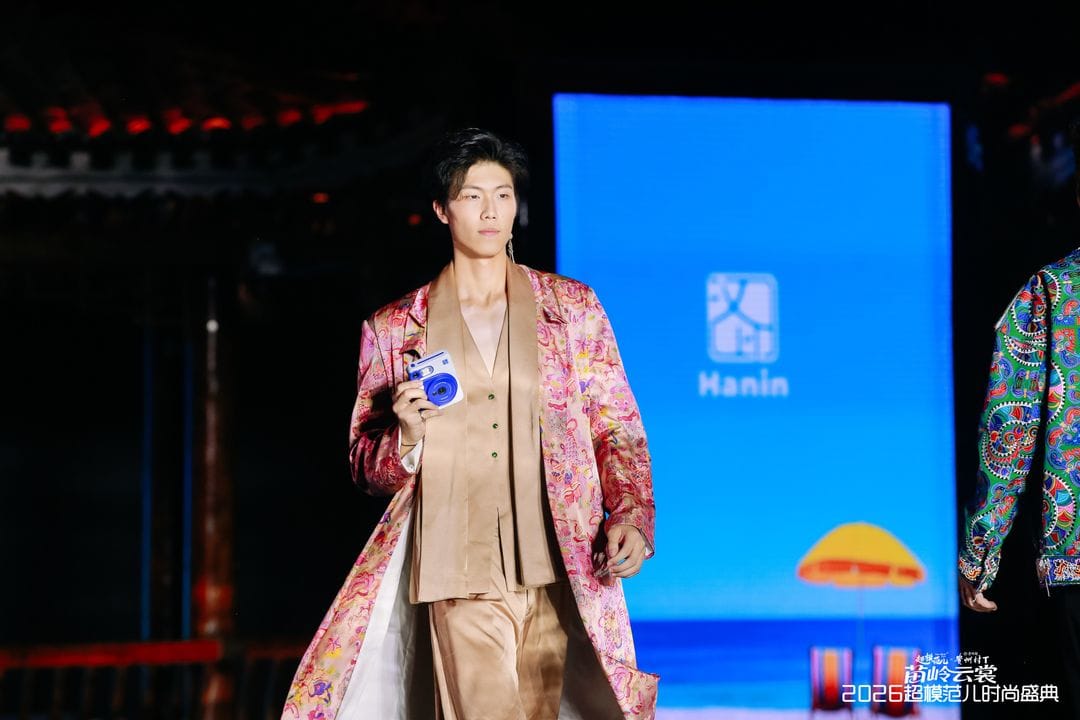
In August, the mountain breeze in southeast Guizhou carries the first hint of autumn, wrapping the sound of cicadas around the hand-embroidered tassels of hundreds of garments at the Kaili Miao and Dong Ethnic Culture Park.
The three-day "Miaoling Yunshang" 2026 Supermodel Fashion Gala recently concluded in Kaili, Guizhou. Reuniting Supermodel with Guizhou Village T, the event was both a cultural tourism celebration where ethnic intangible cultural heritage met contemporary fashion and a powerful expression of aesthetic education and cultural confidence.
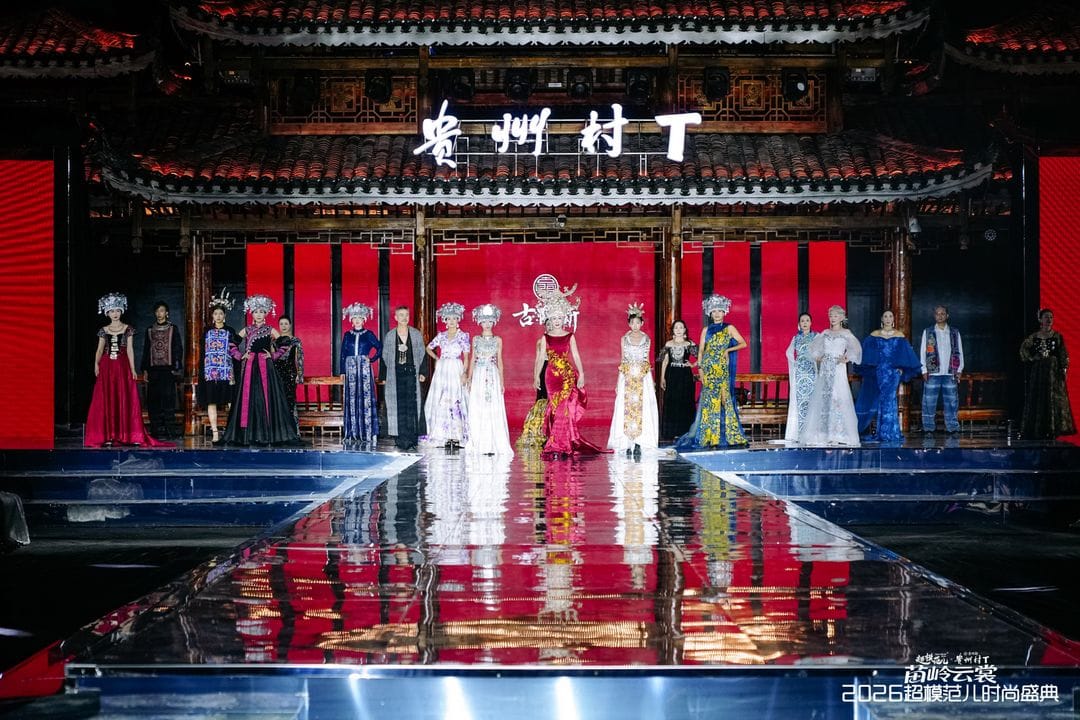
More than 200 contestants from across China took part, transcending boundaries of age and profession. Moving beyond conventional garment presentations, they brought diverse fashion aesthetics and forward-looking creative expression to the same runway, passing the spirit of beauty from one generation to the next on the mirrored stage of the Cloud Corridor Dreamscape.
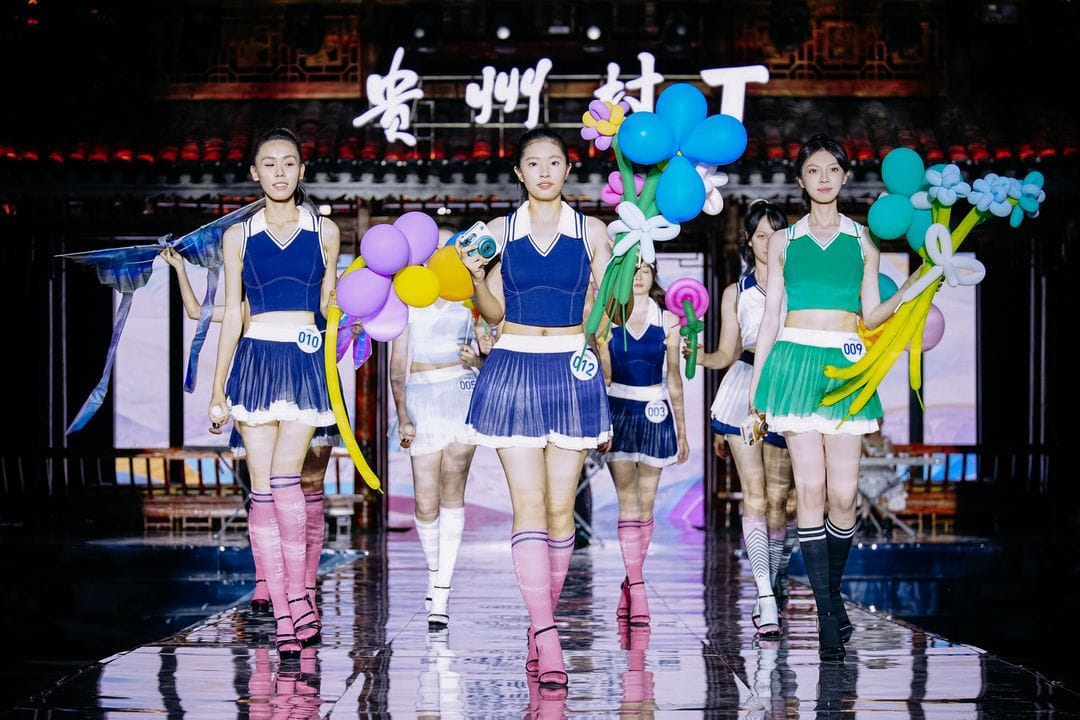
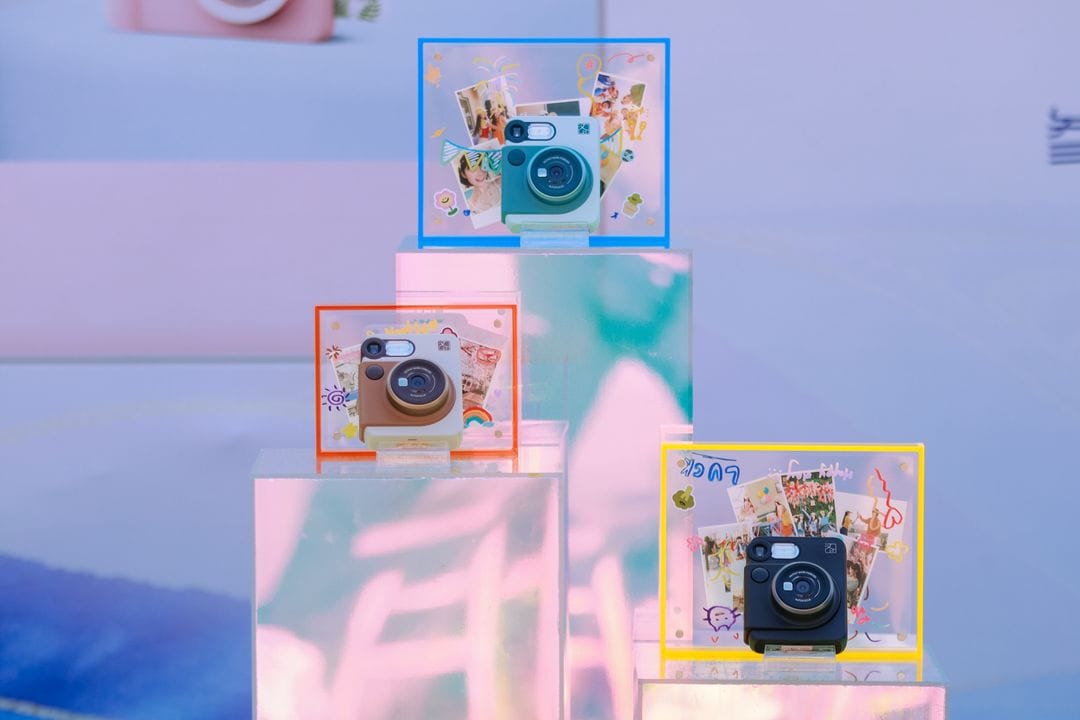
Clothing has never been simply something we wear. It is a cultural medium that carries identity and spirit. An instant camera is more than a tool for recording moments—it is a fashion statement in its own right.
At the press of the shutter, a one-of-a-kind print comes to life. The immediacy, authenticity and unrepeatable sense of ritual express an attitude toward life. Hanin brings this experience to everyone through instant cameras that combine a lightweight, portable design with a fresh, contemporary look and the pleasure of capturing and printing a moment on the spot.
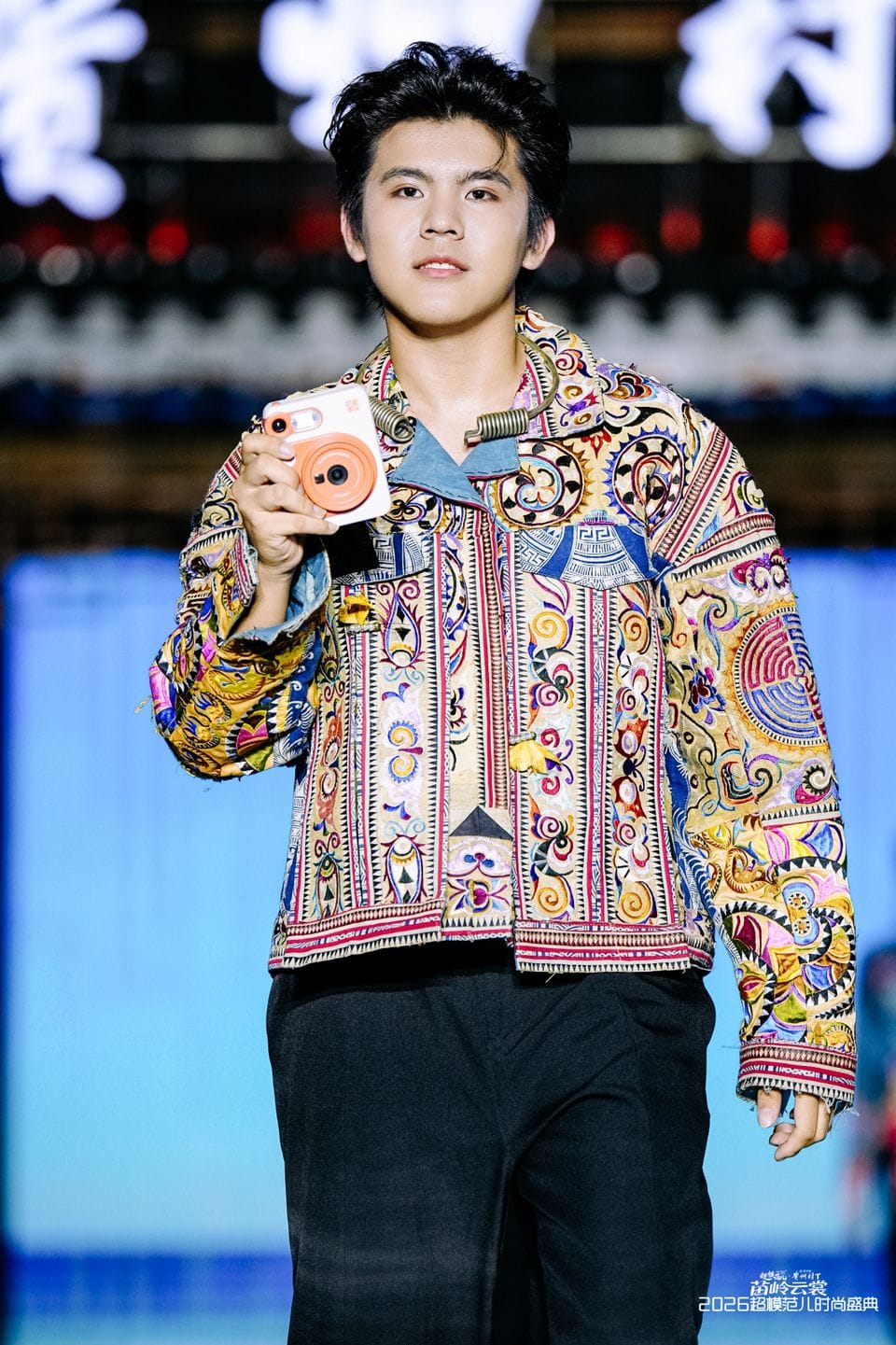
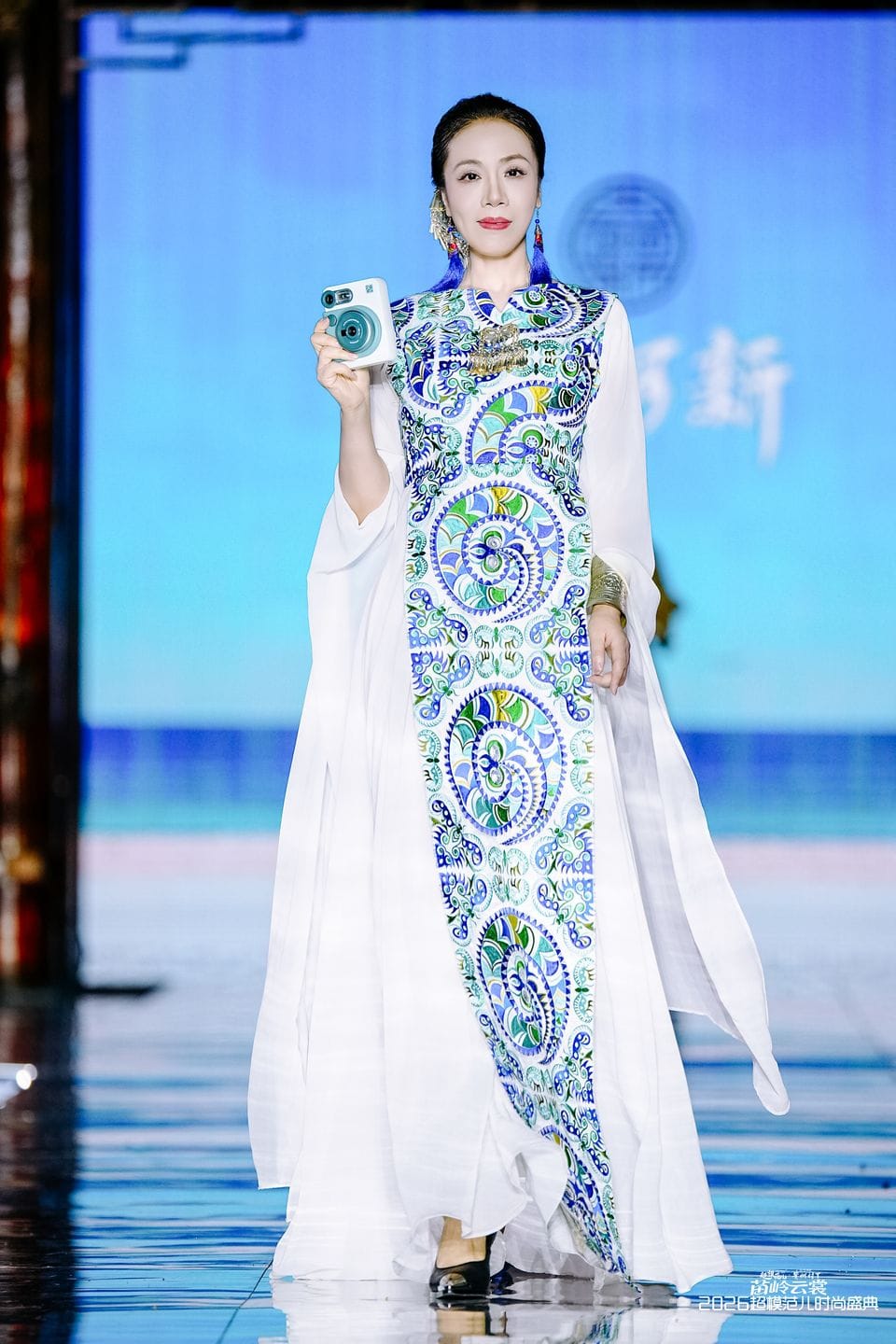
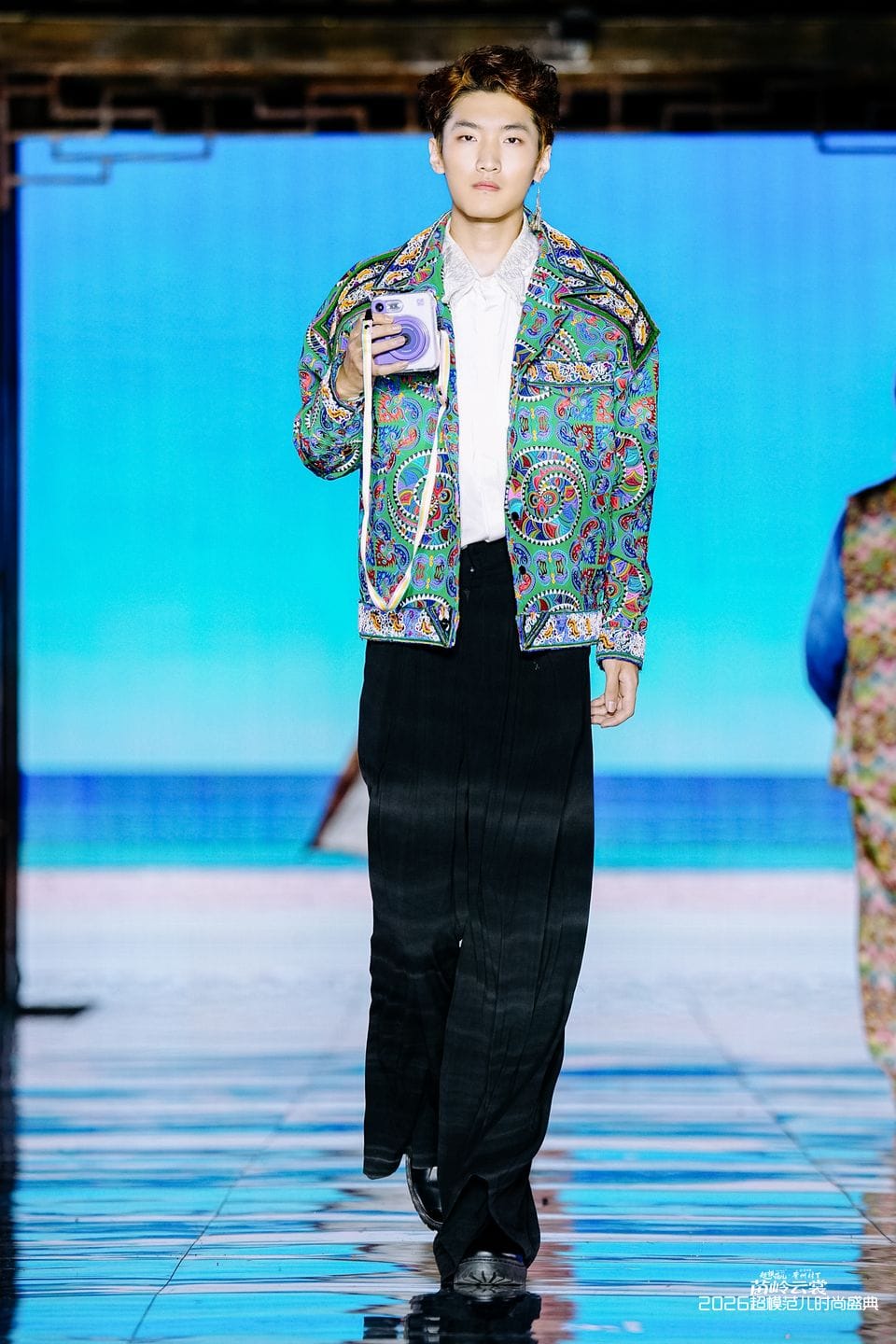
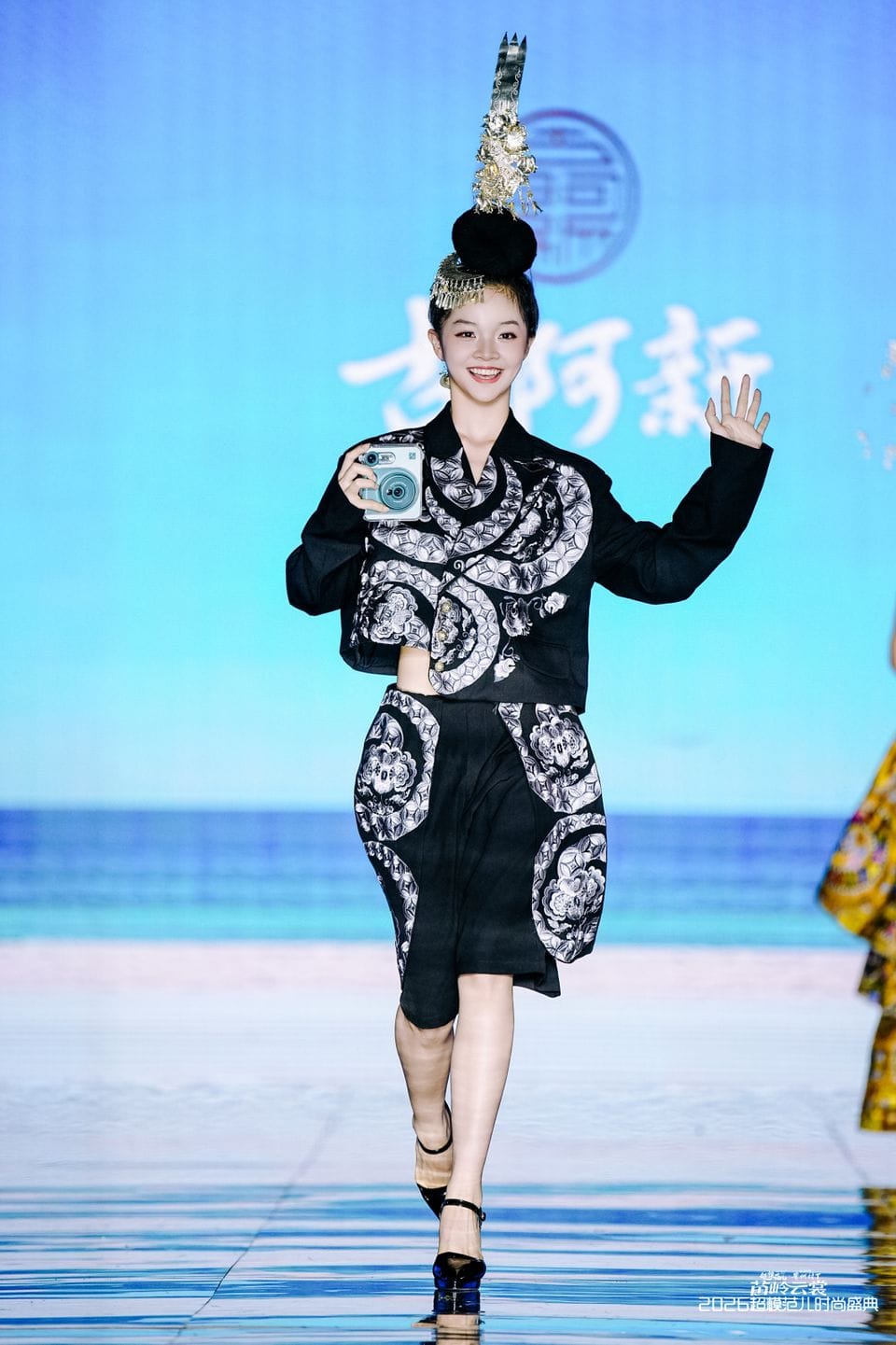
As a strategic partner of this year's event, Hanin joined Supermodel and Chinese ethnic fashion brand Gu'axin in witnessing how traditional cultural heritage can breathe, grow and find new expression on a contemporary runway.
Diverse Fashion Traditions Come Together on the Runway
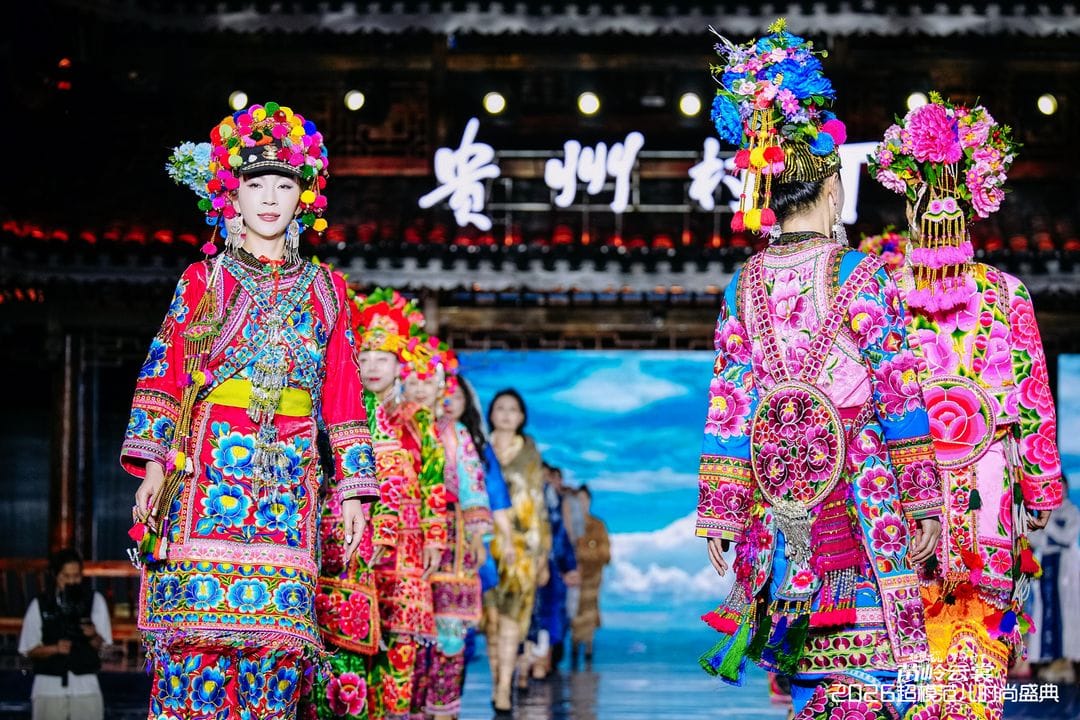
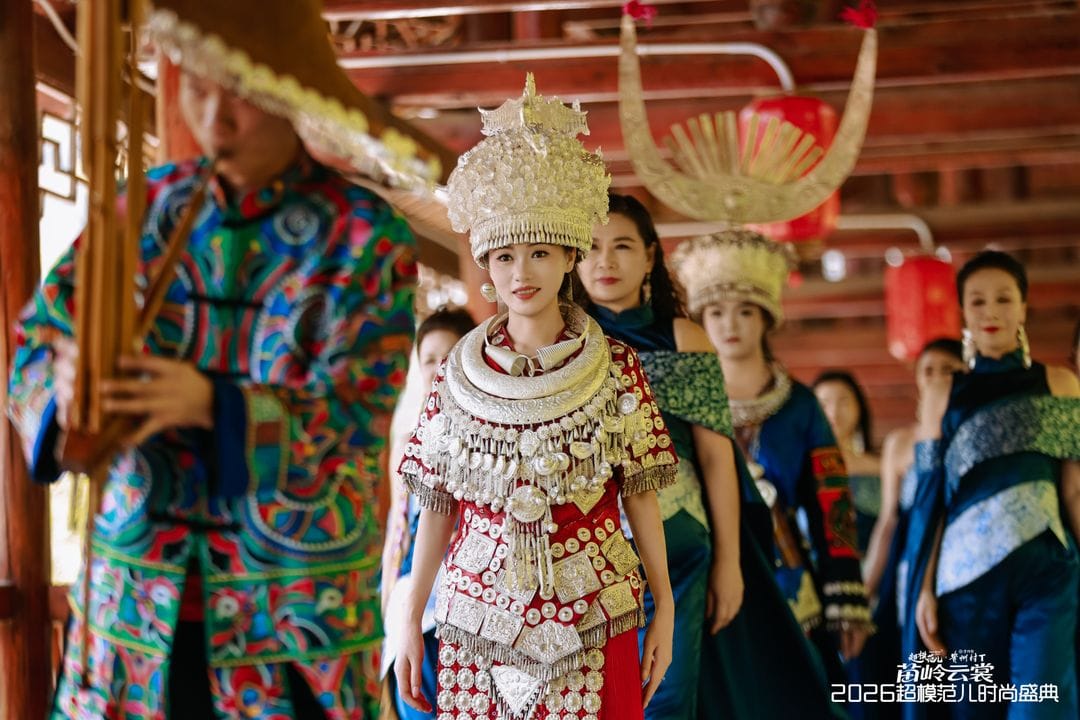
The mirrored light of the Cloud Corridor Dreamscape reflected the silhouette of the traditional wind-and-rain corridor. As contestants walked the runway in gowns featuring Miao embroidery, contemporary lighting intertwined with handcrafted patterns, creating the impression that time and space were folding into one another. The stage design brought technology and craftsmanship into an effortless dialogue.
Guizhou-born dancer Long Jiang opened the celebration, using movement to evoke the landscapes and spirit of the Miaoling Mountains and set the tone for a fashion event connecting north and south, past and present.
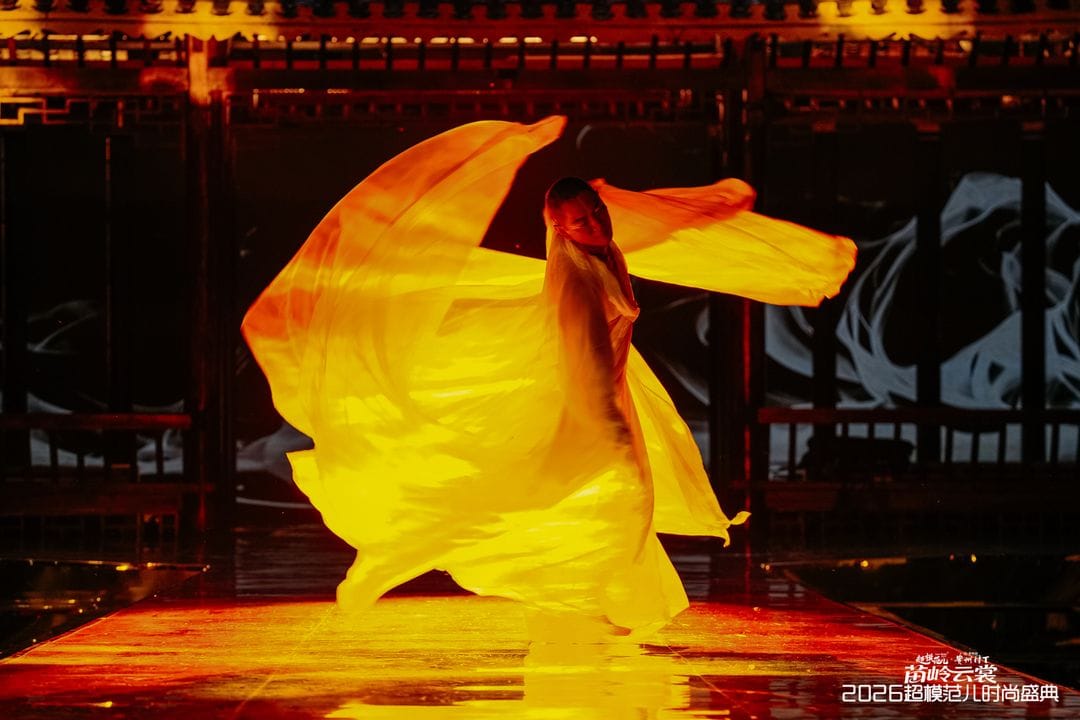
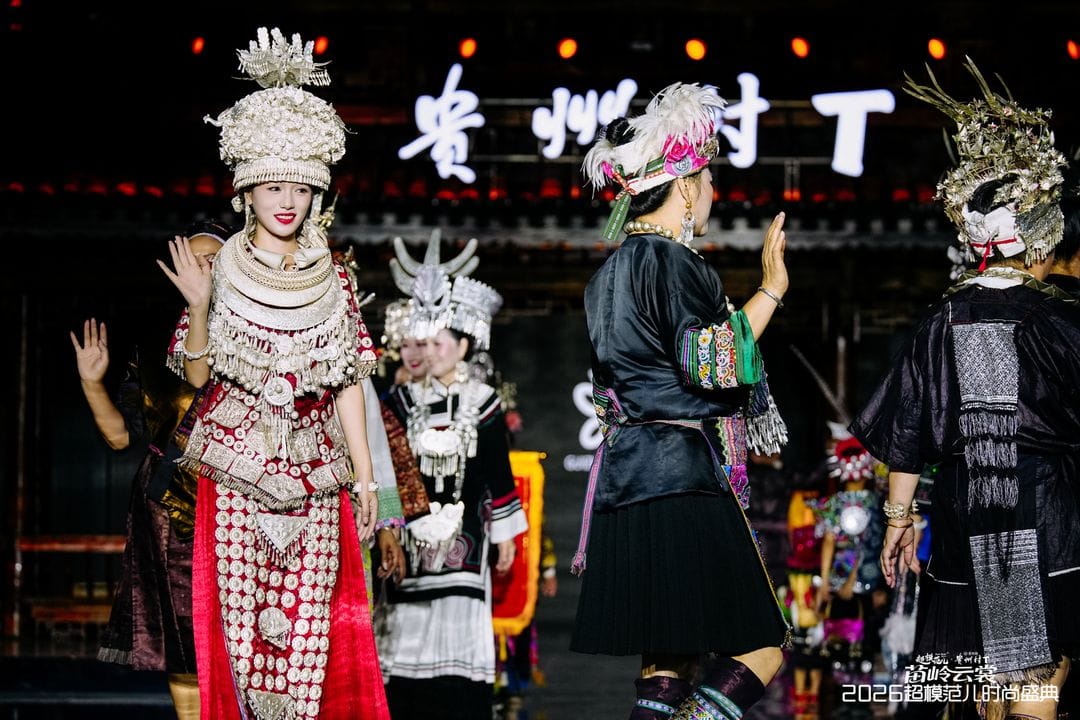
The Gu'axin Miaoling New Chinese-Style Fashion Show reimagined Miao intangible cultural heritage—including embroidery, batik and silverwork—through contemporary fashion, allowing traditions passed down over thousands of years to shine alongside the aesthetics of the New Chinese Style.
The Wunirenya Grassland Fashion Show captured the distinctive nomadic spirit of China's northern grasslands. The Shengtang Weiyang Xiangyunsha Heritage Fashion Show used Xiangyunsha, or gambiered Canton gauze, to reinterpret the grandeur of the High Tang era through a contemporary Chinese aesthetic, bringing centuries-old Chinese beauty vividly to life on the modern stage.
As both Dali Bai Autonomous Prefecture and Qiandongnan Miao and Dong Autonomous Prefecture celebrated the 70th anniversaries of their establishment, the "Embroidering Cangshan and Erhai" Ethnic Costume Showcase traveled across mountains and rivers to the Miaoling region. With ethnic dress as its medium and the fashion runway as its bridge, the showcase paid tribute to this shared milestone.
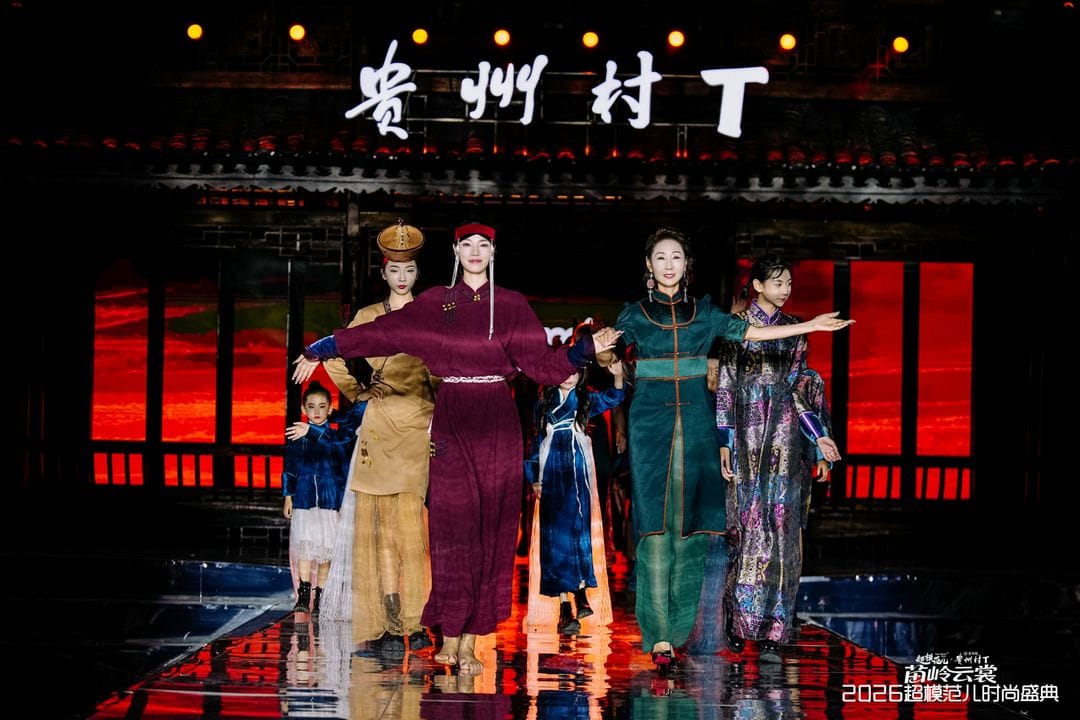
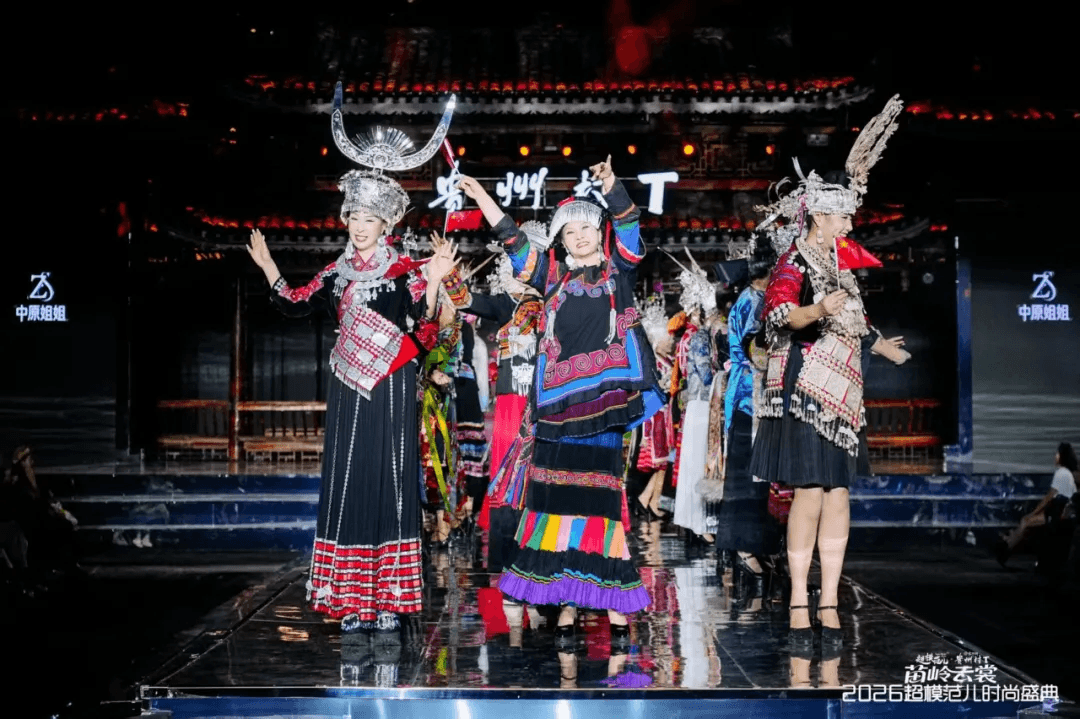
Village mothers and brides from different ethnic groups also took to the stage in traditional ceremonial attire and wedding dress, presenting the authentic beauty of their cultures with grace and confidence. The Zhongyuan Sisters and the Anhui Sisters Fashion Group showcased the distinctive character and remarkable presence of women across different generations through poised, self-assured runway performances.
From the confident strides of the Rising Stars and the dynamic presence of the Elite Contestants to the composure of the Silver Style group, the three categories spanned an age range from five to over 70. Wearing outfits created especially for the event, each contestant offered a sincere expression of personal style on the Guizhou Village T stage.
This was more than a cultural tourism and fashion celebration bringing ethnic heritage together with contemporary trends. It was also a meaningful expression of aesthetic education and cultural confidence.
As traditional culture came to life on stage, the Guizhou Village T Celebration of Traditional Dress brought participants from across China's ethnic communities together in ceremonial attire. Traditional clothing representing China's 56 ethnic groups created a vivid celebration of cultural diversity.
From a Wind-and-Rain Corridor to the Global Runway
The story of Guizhou Village T began in July 2024 with a spontaneous fashion show held along a wind-and-rain corridor in Kaili.
Over the following two years, it staged more than 1,000 runway shows and attracted over 90,000 participants from more than 300 villages, as well as visitors from China and abroad.
With free admission and no barriers to participation, farmers, embroiderers, older adults and children could all put on their finest attire and step onto the runway—because at Village T, everyone is a model and everyone has a cultural story to share.
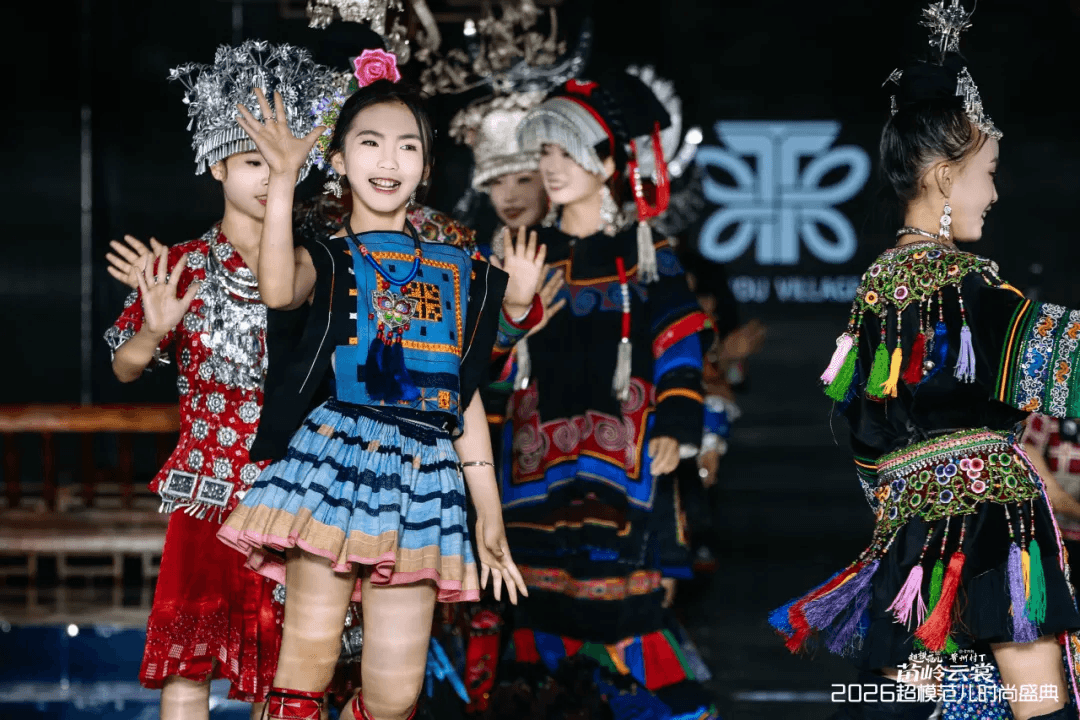
Rooted in local communities, this people's runway has brought Miao embroidery patterns, indigo batik, the chime of silver ornaments and the rhythms of the lusheng reed pipe from villages and fields into the spotlight.
Guizhou Village T has since appeared on influential platforms in China and around the world, including China International Fashion Week, London Fashion Week, New York Fashion Week, the United Nations Climate Change Conference, Expo 2025 Osaka, Kansai, Japan, and Foire de Paris. Its memorable appearance at the CCTV Spring Festival Gala also brought it to the attention of a much wider audience.
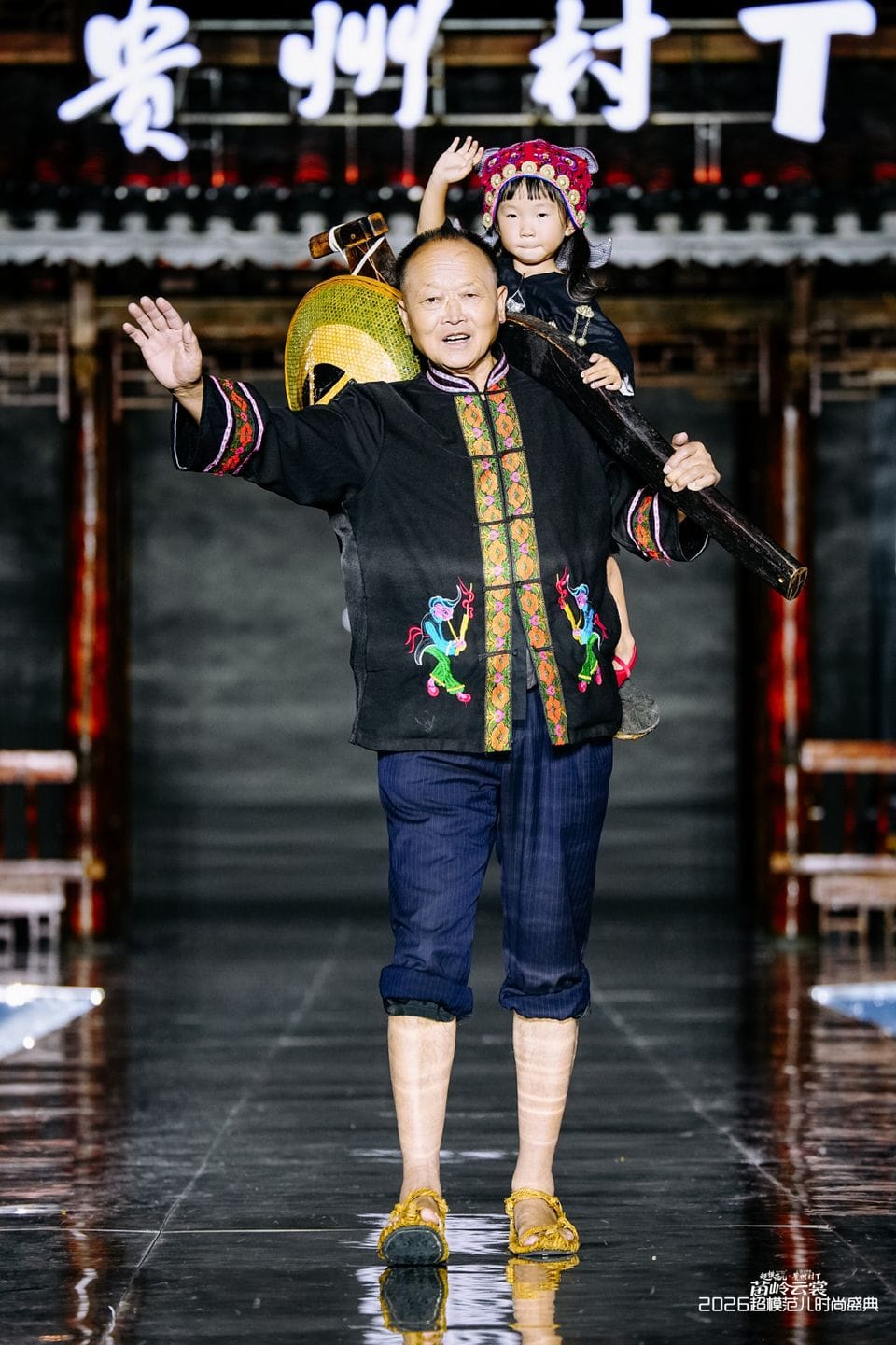
From a wind-and-rain corridor to the world's fashion stages, the journey of Guizhou Village T represents more than the growth of a runway. It shows how the cultural confidence of China's ethnic communities is gaining global recognition.
What resonates with audiences around the world is the heritage woven into every detail: stories spanning thousands of years in Miao embroidery, the colors of time preserved in indigo batik and collective memories echoed in the sound of silver ornaments.
Guizhou Village T offers a distinctive expression of Eastern aesthetics, sharing stories rooted in local traditions through a contemporary visual language. It gives international audiences an opportunity to experience how cultural heritage continues to shape Chinese fashion and everyday life today.
Hanin's development reflects a profound commitment to originality. Rather than taking the easy path in a highly established industry, Hanin charted a course of independent innovation—pioneering core technologies from the inside out to build complete printing solutions.
Today, Hanin has evolved from a component manufacturer into a comprehensive solution provider.Our product portfolio spans photo printers, receipt printers, label printers, digital textile printers, and industrial 3D printers.
Backed by proprietary breakthroughs in thermal mechanisms, laser printing, and dye-sublimation, Hanin successfully maintains 100% independent technical control across its entire supply chain of critical core components.
After more than two decades of dedicated work in the printing industry, Hanin now exports its products to more than 100 countries and regions. The company holds a 30% share of the global thermal printer mechanism market and has maintained its position as a global sales leader for several consecutive years.
When Gu'axin incorporates Miao embroidery, indigo batik and the engraved textures of silverwork into contemporary couture; when Shengtang Weiyang uses the heritage craftsmanship of Xiangyunsha to reimagine the spirit of the High Tang era; and when Guizhou Village T brings more than 300 traditional garments representing over 50 ethnic groups from the mountains to international fashion weeks, Chinese brands are giving centuries-old heritage new relevance in their own distinctive ways.
They are bringing intangible cultural heritage out of museums and books and onto international runways, transforming it into a living symbol of the times that can be worn and appreciated in everyday life.
The celebration may have concluded, but the contemporary resonance of ethnic culture continues.
The vitality of culture lies not only in its preservation, but also in its capacity for innovation. Looking ahead, Hanin will continue to harness the power of technology and fulfill its responsibilities as a brand—helping protect the beauty of intangible cultural heritage and enabling the brilliance of China's ethnic cultures to be seen around the world.